
October Reading
Books to Give you the Creeps

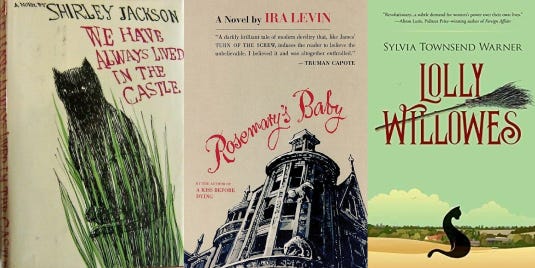
October is a time for cheap candy, cozy sweaters, crunching leaves, suspecting your neighbors, questioning your reality, communicating with the supernatural, making love to the devil, and slipping arsenic into your loved one’s tea. If you’re unable to actualize these goals, look to fiction and read a book from this list to satisfy that twisted little freak in you.
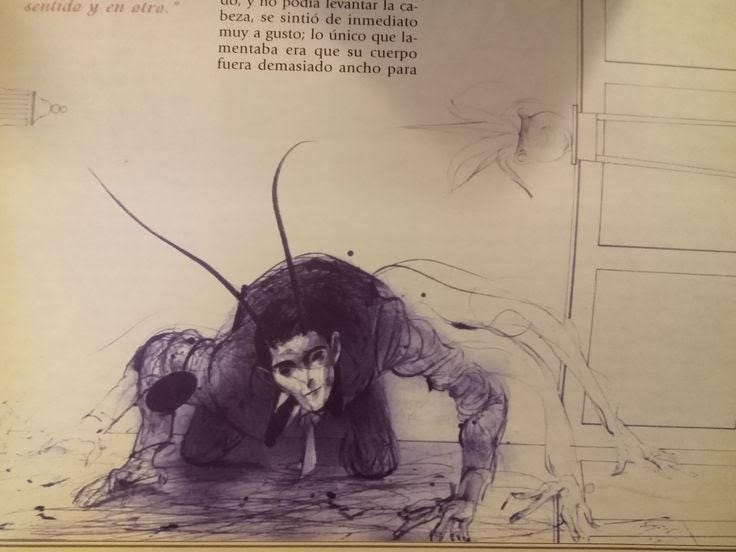
The Metamorphosis, Franz Kafka
I add this first to the list as I crush a cockroach under my heel at the Utica Ave A stop. As he withers around I ask him, who are you? who were you? The Metamorphosis tells the story of Gregor Samsa, a man who wakes up to find that he has inexplicably transformed into a giant insect. It’s absurd and grotesque. It’s a warning of the danger of self effacement in the name of capitalism. This surreal novella is an unsettling look at how society treats those who no longer serve a purpose.
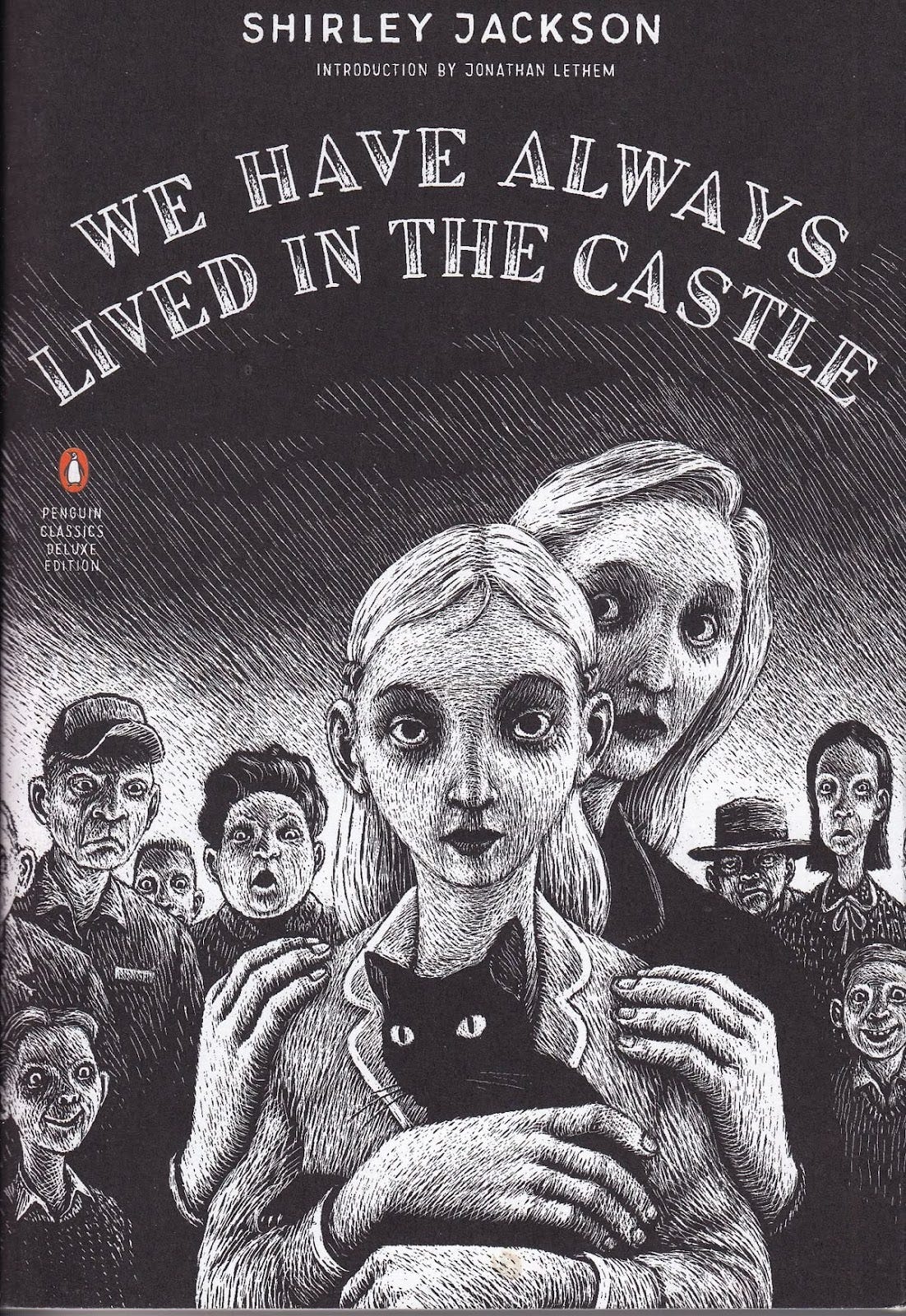
We Have Always Lived in the Castle, Shirley Jackson
“Oh, Constance, we are so happy,” Merricat tells her sister – and maybe they are. Merricat, her sister Constance, and their elderly uncle are the only remainders of their family, following their murder by arsenic in the afternoon tea. Living as recluses in a deteriorating castle, Merricat provides an uncanny and unreliable child-like narration that creates a deceptively simple world. A world where ordinary life – with its secrets, rumors, and exclusion - becomes a horror story, a claustrophobic dark fairy tale where we can be alone – together.
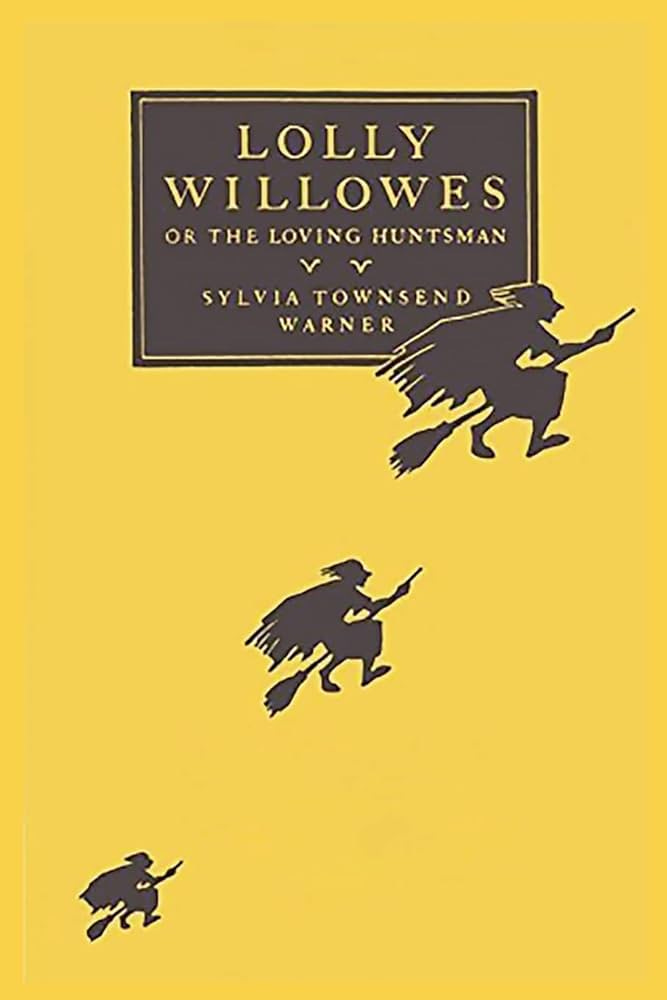
Lolly Willowes, Sylvia Townsend Warner
The first ever selection for the Book of the Month Club in 1926, Lolly Willowes tells the story of a quiet, unmarried woman living in her relatives’ home in London. Lolly’s life is forever obliged to others until one day, when her urge to be “standing alone in a darkening orchard,” pushes Lolly to leave for a small rural village. Here, Lolly is stripped of convention and societal habit. Simply put it’s the story of the woman who becomes a witch, more critically it’s a woman’s subversion of societal expectations.
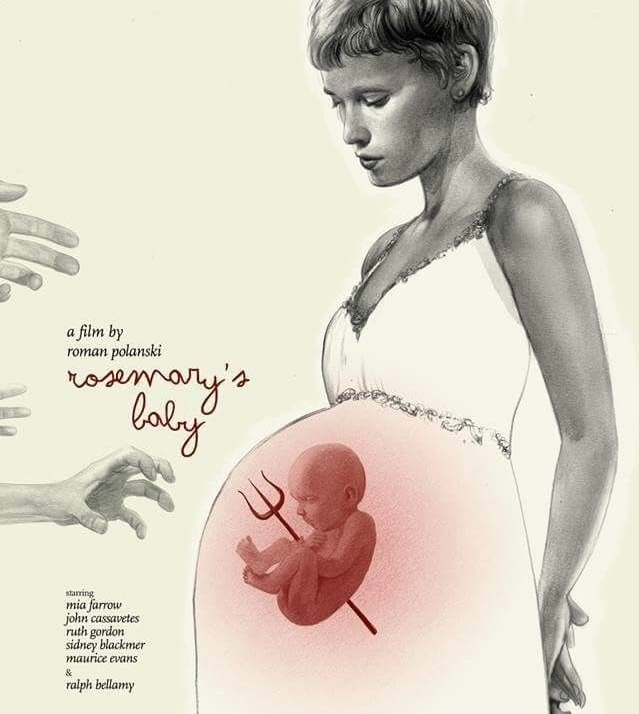
Rosemary’s Baby, Ira Levin
Rosemary’s Baby follows a young woman who moves into an apartment building with odd neighbors. Here, Rosemary becomes pregnant under strange circumstances, suffering through an unsettling pregnancy and a gaslighting husband. It’s a modern Turn of the Screw, playing with reality and dreams to suggest a veneer of normality - with hideous evil forces right beneath the surface. Home becomes either a supernatural hellscape or a domestic horror, revealing the shadowy interior of womanhood in the 1960s.
The Picture of Dorian Gray, Oscar Wilde
The Picture of Dorian Gray is the story of a man that wishes he could remain young forever as his newly painted portrait ages for him. Miraculously, his wish comes true and under the influence of supposed immortality, Dorian Gray plunges into a decadent and sinister life – as his portrait withers, wrinkles, and takes on a loathsome sneer. This novel is not only remembered for its gothic horror, but for its wit, humor, and camp. Wilde’s embrace of artifice, performance, and irony turns moral seriousness into aesthetic spectacle. The book’s stylishness is part of its moral critique, mocking the idea of authenticity in a world obsessed with appearances.
Eileen, Ottessa Moshfegh
Eileen is a peculiar character. Living in the 1960s with her alcoholic father and working at a boys’ prison, Eileen is plain, self-loathing, and isolated. She wears her dead mother’s frumpy clothes, vomits regularly from heavy drinking, is addicted to laxatives, masturbates often, and doesn’t bathe. Being in her mind feels like scrapping against your own depravity, “but at the same time it’s very refined,” Moshfegh describes her writing style, “It’s like seeing Kate Moss take a shit.” Eileen's life will shift when she meets Rebecca, the prison’s new psychologist, whose charm and attention pulls Eileen into an act of unsettling violence. Taut, ghastly, and sometimes unbearably tense - Eileen is an account of escape.
The Woman in the Window, A.J. Finn
Nothing is more thrilling than a beach read. In a classic “Rear Window” setup Anna Fox is trapped in her home by fear, spending her days watching old movies and her neighbors lives. Under the influence of wine and abusing prescription pills she is your classic unreliable narrator. Though peculiar, Anna’s life is unassuming – until she sees something violent occur in the house across the street, and everything begins to fracture. Relying on the basic narrative elements of the thriller genre, The Woman in the Window is your standard page turner, delightfully addictive and familiar.
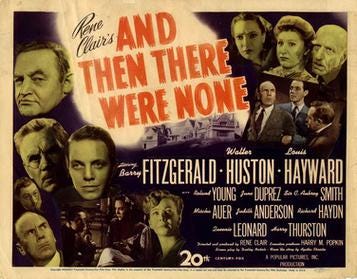
And Then There Were None, Agatha Christie
I grew up watching Agatha Christie’s Miss Marple, a 1984 adaptation of one of Christie’s most popular characters, because my family was a little odd. I was then introduced to her other famous novels – Murder on the Orient Express, Death on the Nile – and of course, And Then There Were None. In this mystery ten strangers are invited to a secluded island, only to be accused of crimes and killed off one by one. Structured to follow the nursery rhythm, Ten Little Soldiers there is a tightening sense of inevitability and fatalism. Not only are the characters taunted and manipulated by the verses’ promises, but the reader is led willingly to its inescapable end.